How to Get Cited by AI: What ChatGPT, Perplexity and AI Overviews Actually Cite
Being cited in an AI answer is worth something even when fewer people click. Seer Interactive found that on queries with a Google AI Overview, pages cited in the overview had an organic click-through rate of 0.70%, against 0.52% for pages that were not - with the caveat that it "cannot definitively prove that citation causes higher CTRs."
Getting cited is not the same as ranking, though. In Ahrefs' March 2026 data, only 37.9% of URLs cited in AI Overviews ranked in Google's top 10 for the query. And each AI engine draws from a different mix of sources. This guide looks at what ChatGPT, Perplexity and Google's AI features actually cite, and the four levers that make a page more likely to be one of those sources.
Key Takeaways
- Eligibility comes first. Each engine cites only what its own crawler or index can reach: Googlebot for AI Overviews, OAI-SearchBot for ChatGPT, PerplexityBot for Perplexity.
- Engines favor different sources. In Profound's analysis of 680 million citations, Wikipedia made up 7.8% of all ChatGPT citations and Reddit 6.6% of Perplexity's.
- Third-party coverage carries weight. A 2025 study found AI search shows "a systematic and overwhelming bias towards Earned media" over brands' own pages.
- Citable passages help. In the GEO study, adding statistics raised visibility in AI answers by 33% and citing sources by 28%.
- Citations are unstable. SparkToro found less than a 1 in 100 chance that an AI tool returns the same brand list twice for the same prompt.
What Counts as an AI Citation?
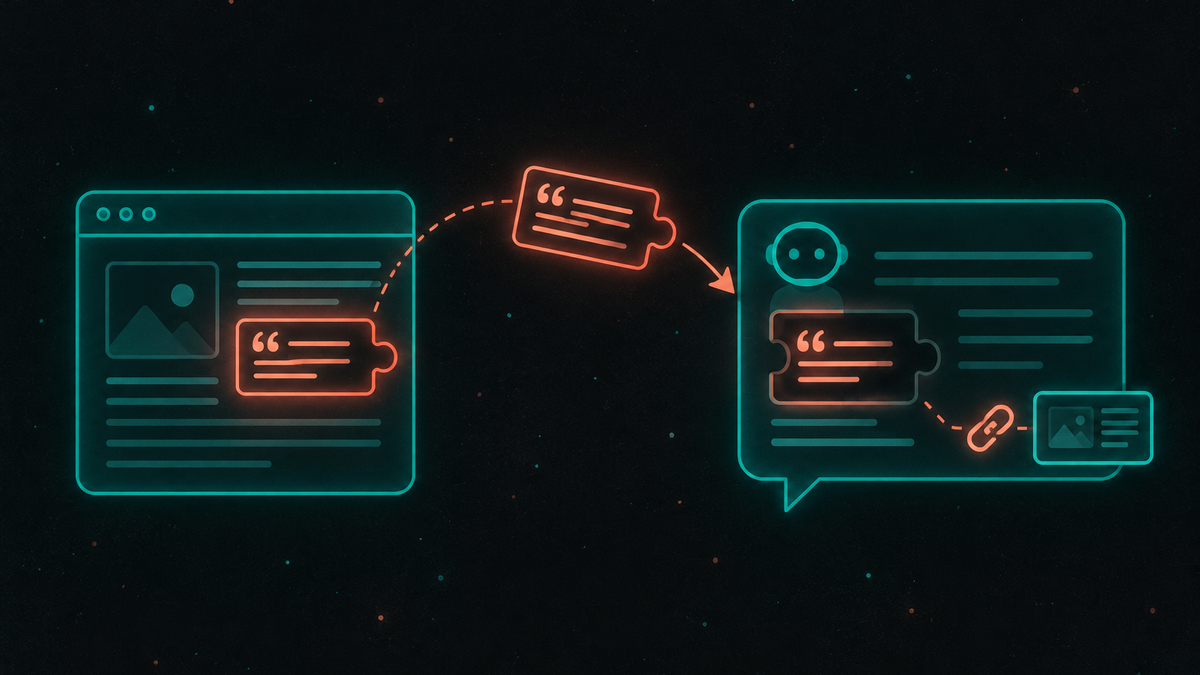
An AI citation is a link or source reference attached to an AI-written answer. Engines display them differently - as linked source cards, inline links or numbered references. Behind the scenes the system usually reads more than it credits - OpenAI's web search tool, for example, reports the full list of URLs it consulted separately from the ones it cites.
Brand mentions without a link matter too, especially in assistants that recommend products, but they are harder to measure. This guide focuses on linked citations.
Action: decide which engines matter for your audience before optimizing; the levers below work differently in each.
Step 1: Make Sure Each Engine Can Reach You
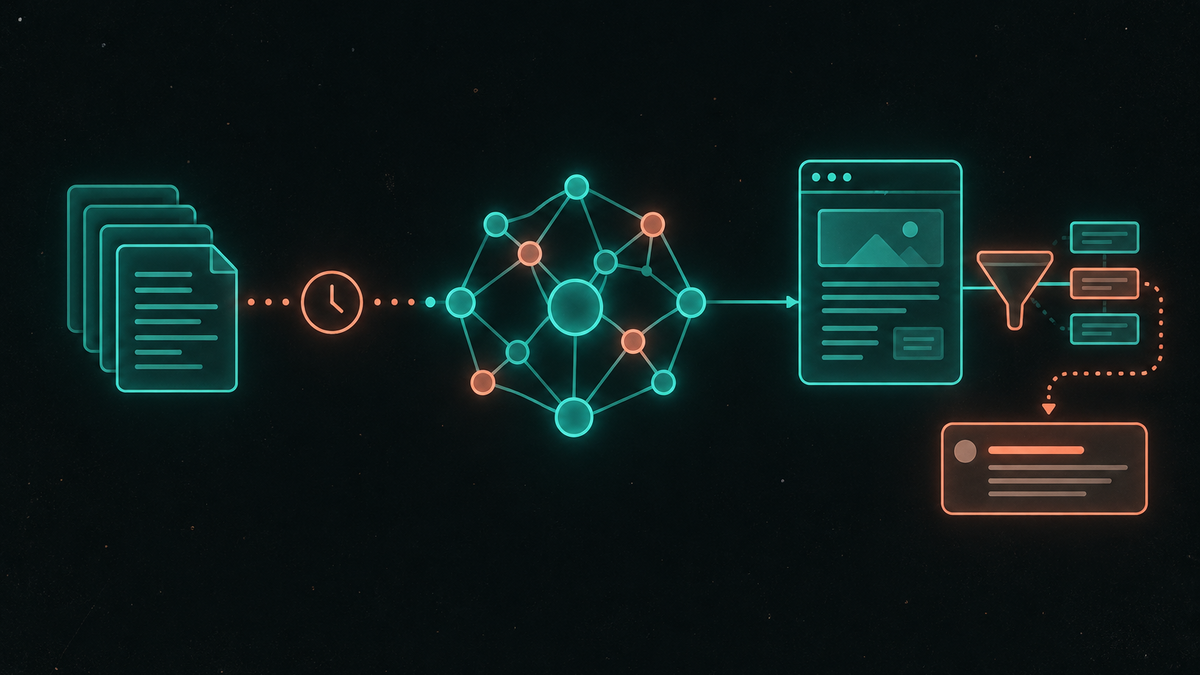
No engine can cite a page it cannot fetch or has not indexed:
| AI surface | What has to reach your page | Notes |
|---|---|---|
| Google AI Overviews, AI Mode | Googlebot; page indexed and eligible for a snippet | Google: "no additional requirements" |
| ChatGPT search | OAI-SearchBot | Blocking GPTBot (training) does not affect this |
| Perplexity | PerplexityBot | Not used to train models, per Perplexity |
| Claude search | Claude-SearchBot | Separate from ClaudeBot (training) |
| Microsoft Copilot | Bingbot | No separate Copilot crawler |
Most AI crawlers also read only the HTML your server returns, without running JavaScript. Our AI crawlers list covers each agent, and our AI bot access check shows which of them your robots.txt blocks.
Action: confirm the search crawlers in the middle column can reach your key pages and that the content is in the initial HTML.
Step 2: Know Where Each Engine Gets Its Sources
The engines do not cite the same kinds of sites. Profound's analysis of 680 million citations between August 2024 and June 2025 found:
- ChatGPT: Wikipedia was the single largest source, at 7.8% of all citations.
- Perplexity: Reddit led, at 6.6% of all citations.
- Google AI Overviews: a spread across community and video sites - Reddit 2.2%, YouTube 1.9%, Quora 1.5%, LinkedIn 1.3%.
Pew Research found the same three names - Wikipedia, YouTube and Reddit - behind 15% of sources in Google's AI summaries.
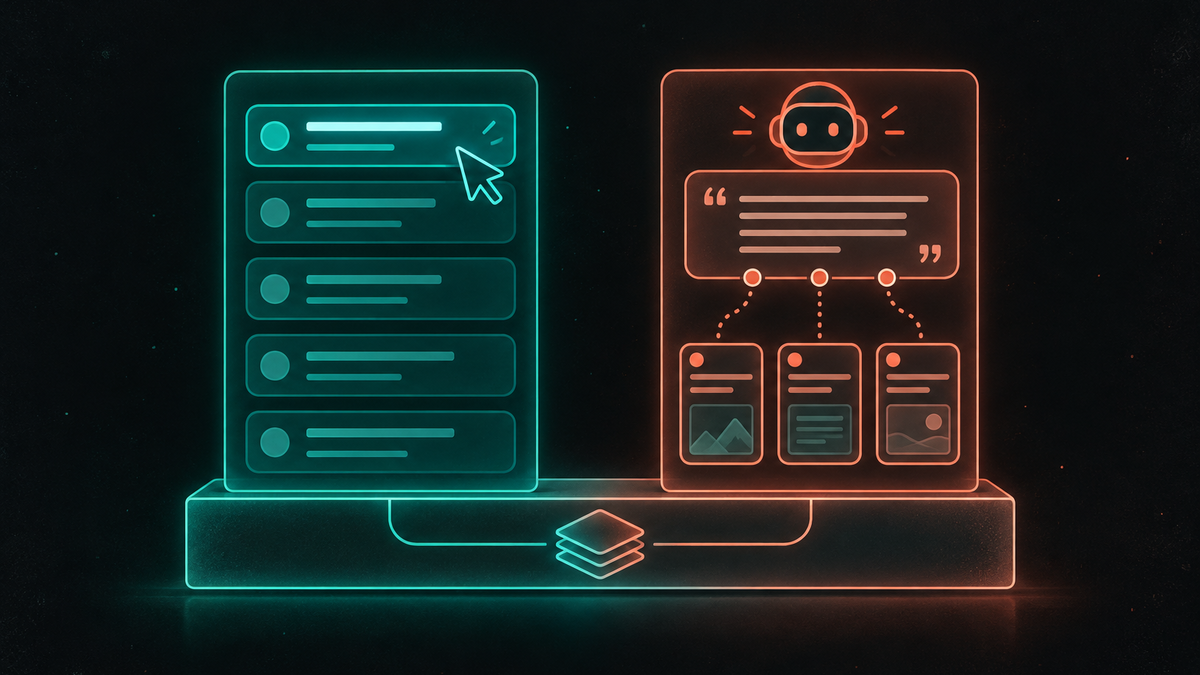
The link between ranking and citation also differs by engine. In Ahrefs' August 2025 study of 15,000 prompts, 28.6% of Perplexity's citations matched Google's top 10, against 8% of ChatGPT's in-text citations. A smaller Seer Interactive test found 87% of SearchGPT citations matched Bing's top results. Rankings line up best with Perplexity and Google's AI Overviews; for ChatGPT they are a weaker predictor.
Action: search your main topics in each engine you care about and note which domains it cites; those are the sites to appear on.
Step 3: Get Mentioned Where AI Already Looks
Because AI answers lean on third-party sources, part of the work happens off your site. A 2025 study by Chen et al. found AI search engines show "a systematic and overwhelming bias towards Earned media (third-party, authoritative sources)". In consumer electronics, about 93.6% of GPT's citations were earned media; for US automotive queries, earned media made up 81.9% of AI search citations against 45.1% for Google.
In practice, earned media means reviews, comparisons, industry coverage, expert round-ups and community discussions on the domains you found in Step 2. A product that is only described on its own website gives an AI engine little to cite.
Action: pick three to five third-party sites that AI answers cite in your niche and plan how to be accurately represented there - reviews, data, expert comments.
Step 4: Write Passages Worth Quoting
On your own pages, the question is whether a passage can be lifted into an answer. The GEO study from Princeton, Georgia Tech, the Allen Institute for AI and IIT Delhi tested this directly: adding quotations raised visibility in AI answers by 43%, statistics by 33% and cited sources by 28%, while keyword stuffing lowered it by 9%. Citing sources raised visibility by 115.1% for a page ranked fifth - the biggest gains went to pages that were not already on top.
Original data is the strongest form of this. Our post on original research as an AI citation signal covers why, and our answer engine optimization guide turns it into rules for individual passages. In our audit, the fact density, original research and sources section checks look at these signals.
Action: for each key page, add one sourced number or quotation near the top, and a sources section at the end.
Step 5: Keep Content Current - Where It Counts
AI assistants tend to cite newer content than organic search does. Ahrefs' July 2025 study of about 17 million cited URLs found AI assistants' citations were 25.7% fresher on average than organic results, and ChatGPT's citations were 458 days fresher than organic ones. Google AI Overviews were the exception: they cited content slightly older than organic results, by 16 days.
Action: review and update pages that target ChatGPT and Perplexity queries on a regular schedule, and show the update date on the page.
Why One Citation Check Proves Little
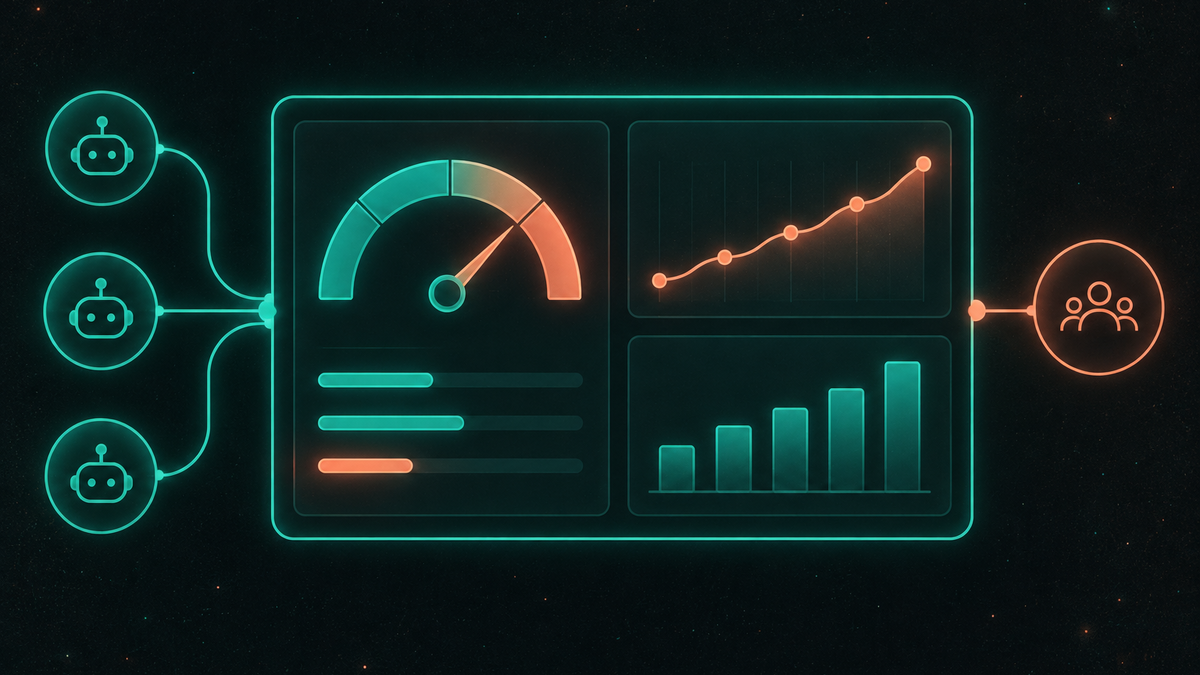
AI answers change from run to run. SparkToro's January 2026 research found less than a 1 in 100 chance that ChatGPT, Claude or Google's AI returned the same list of brands twice for the same prompt. A single screenshot of being cited, or of not being cited, says little. Our guide to measuring AI visibility shows how to track citations over many prompts with Search Console, Bing's AI Performance report and analytics.
Action: track a fixed set of prompts per engine over several weeks, and judge progress by the trend.
An AI Citation Checklist
- Allow the search crawlers for each AI engine you target, and serve content in the initial HTML.
- List the domains each engine cites for your topics.
- Get accurately covered on those third-party sites.
- Put a sourced number or quotation in the first passage of each key page.
- Add a sources section and original data where you have it.
- Update pages for ChatGPT and Perplexity topics regularly.
- Measure citations as a trend, not a snapshot.
To check crawler access, passage structure and sourcing on your own pages, run a free audit.
Sources
- AIO impact on Google CTR, September 2025 update - Seer Interactive
- AI Overview citations and the top 10 - Ahrefs, March 2026
- AI platform citation patterns - Profound
- Google users are less likely to click on links when an AI summary appears - Pew Research Center, July 2025
- AI search overlap with Google and Bing - Ahrefs, August 2025
- 87% of SearchGPT citations match Bing's top results - Seer Interactive, February 2025
- Generative Engine Optimization: How to Dominate AI Search - Chen et al., 2025
- GEO: Generative Engine Optimization - Aggarwal et al., KDD 2024
- Do AI assistants prefer to cite fresh content? - Ahrefs, July 2025
- AIs are highly inconsistent when recommending brands or products - SparkToro, January 2026